THE COLLECTIVE'S COMPARATOR

Importing construction machinery from China: the complete guide

Mini excavators, mini skid steers, forklifts: Chinese machines have made a leap in quality, and direct factory purchase attracts more and more tradespeople, landscapers and civil-works companies. But between the factory quote and the machine working on your site, there's a journey to master. Here it is, point by point — with, at the end, the collective's comparator to choose your machine with full knowledge.

Compare the machines →See the order journey →
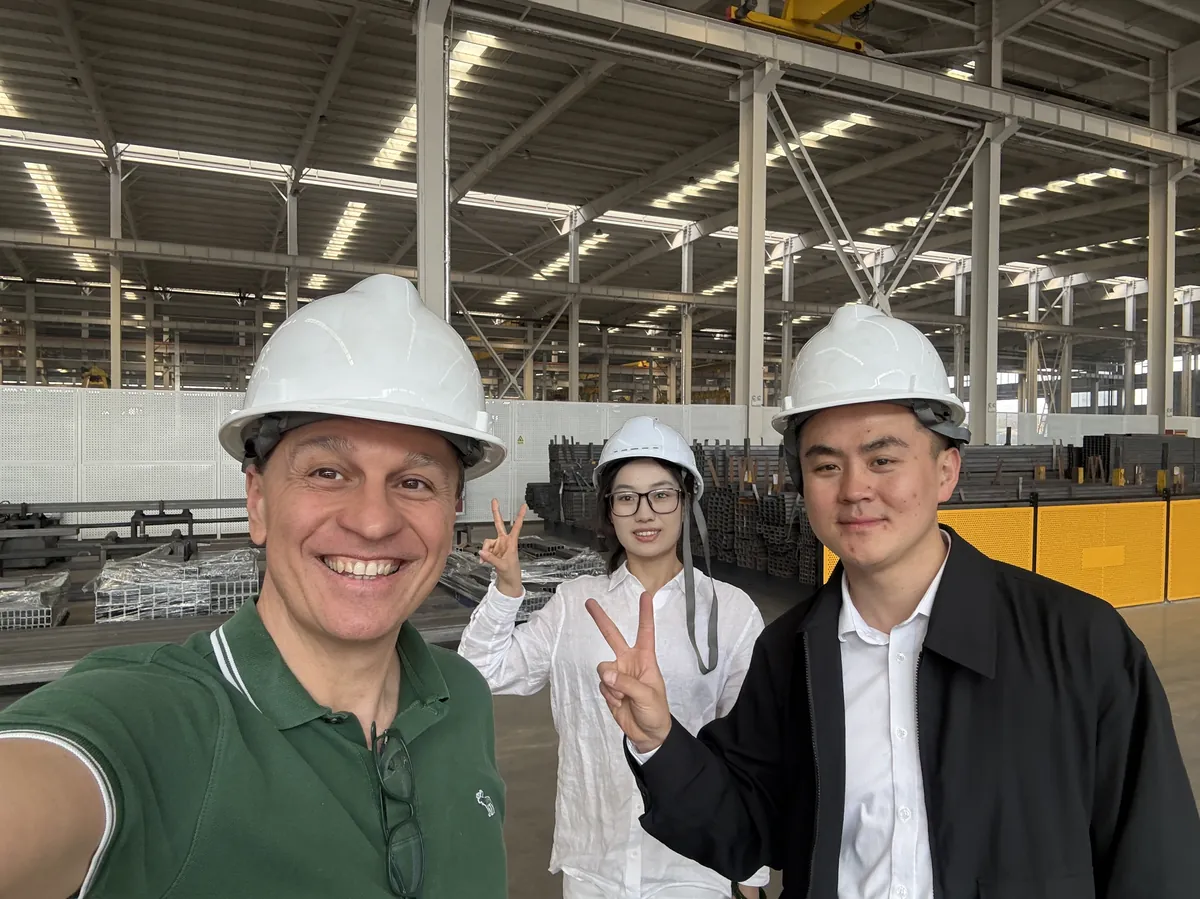
Fabrice, co-founder of the collective, auditing the assembly line at a partner factory in China.
You don't handle this alone

This may all sound heavy — good news: you're not on your own. The collective's factories are selected and well-versed in these regulations (CE marking, emissions standards, EU export); their accredited reps prepare these documents every week and support you at every step, from quote to delivery. The collective also shares the experience of buyers who've already taken delivery. This guide gives you the bearings to discuss with full knowledge — not a mountain to climb alone.

Fabrice, co-founder of the collective, auditing the assembly line at a partner factory in China.
CE compliance: the first thing to check

Check this before you even talk numbers. A non-compliant machine cannot legally be put into service in the European Union. Any machine sold in the EU must bear the CE marking and come with an EU declaration of conformity. The applicable framework today is the Machinery Directive 2006/42/EC; it will be replaced by Regulation (EU) 2023/1230, applicable from 20 January 2027. Always demand from the brand:

Engine emissions standards (Stage V, Euro 5, EPA)

Machines with combustion engines must meet the emissions standards applicable to non-road mobile machinery (Regulation (EU) 2016/1628 — known as "Stage V"). Demand proof of engine compliance, model by model: this is often where "too good to be true" imports turn out non-compliant. An electric machine produces no emissions in use: it remains subject to CE marking, but not to engine emissions standards. On machines-direct, each machine's rating is shown exactly as supplied by the brand (Stage V, EPA, Euro V…), with no conversion or approximation — you compare on the manufacturer's original value.

Who is the importer? The point everyone forgets

A decisive and often blurry question: who places the machine on the European market? Whoever does bears the compliance responsibility and product liability — not the factory. If you buy in your own name, you are the importer: you remain responsible for customs formalities, compliance and placing on the market in your country. That's exactly why buying with a collective behind you changes the game: other buyers' experience, shared checks, accredited contacts — without ever taking the decision out of your hands.

If you buy in your own name, you are the importer — and you bear the compliance responsibility.

The real cost: think delivered-to-site, not ex-works

The factory quote is only a fraction of the final cost. Always think in delivered-to-site cost: sea freight, transport insurance, customs duties according to the tariff classification (TARIC code, watching for possible anti-dumping measures), import VAT (20% in France, reverse-chargeable under conditions), port handling and final delivery. Every line can be quantified — ask the brand and your forwarder for the breakdown before committing, and always compare offers expressed on the same basis.

Always compare offers expressed on the same basis: a quote only makes sense with its Incoterm.

The Incoterm: the classic mistake to avoid

The Incoterm defines who pays for what, and from where. A FOB price (Chinese departure port) includes neither freight, nor insurance, nor customs clearance on arrival — unlike CIF (to the arrival port) or DAP / DDP (to your door). Comparing a Chinese FOB with a "delivered" price is comparing apples and oranges. Always ask on what basis the quote is expressed.

IncotermSea freightInsuranceArrival customsFinal delivery
FOB Chinese portNoNoNoNo
CIF arrival portYesYesNoNo
DAP / DDP your doorYesYesDDP: yesYes

Shipping: container, lead times, forwarder

Most machines travel by sea container. Two options: a full container (FCL) if the volume justifies it, or groupage (LCL) for a single machine — cheaper per unit, but slower. Allow in general 30 to 45 days at sea between China and Europe, plus port handling, customs clearance and final delivery. Choose a reliable forwarder, ideally AEO-certified (Authorised Economic Operator): a mark of seriousness and customs fluidity.

FactoryContainer30–45 days at seaPort & customsTARIC · import VATSitefinal delivery
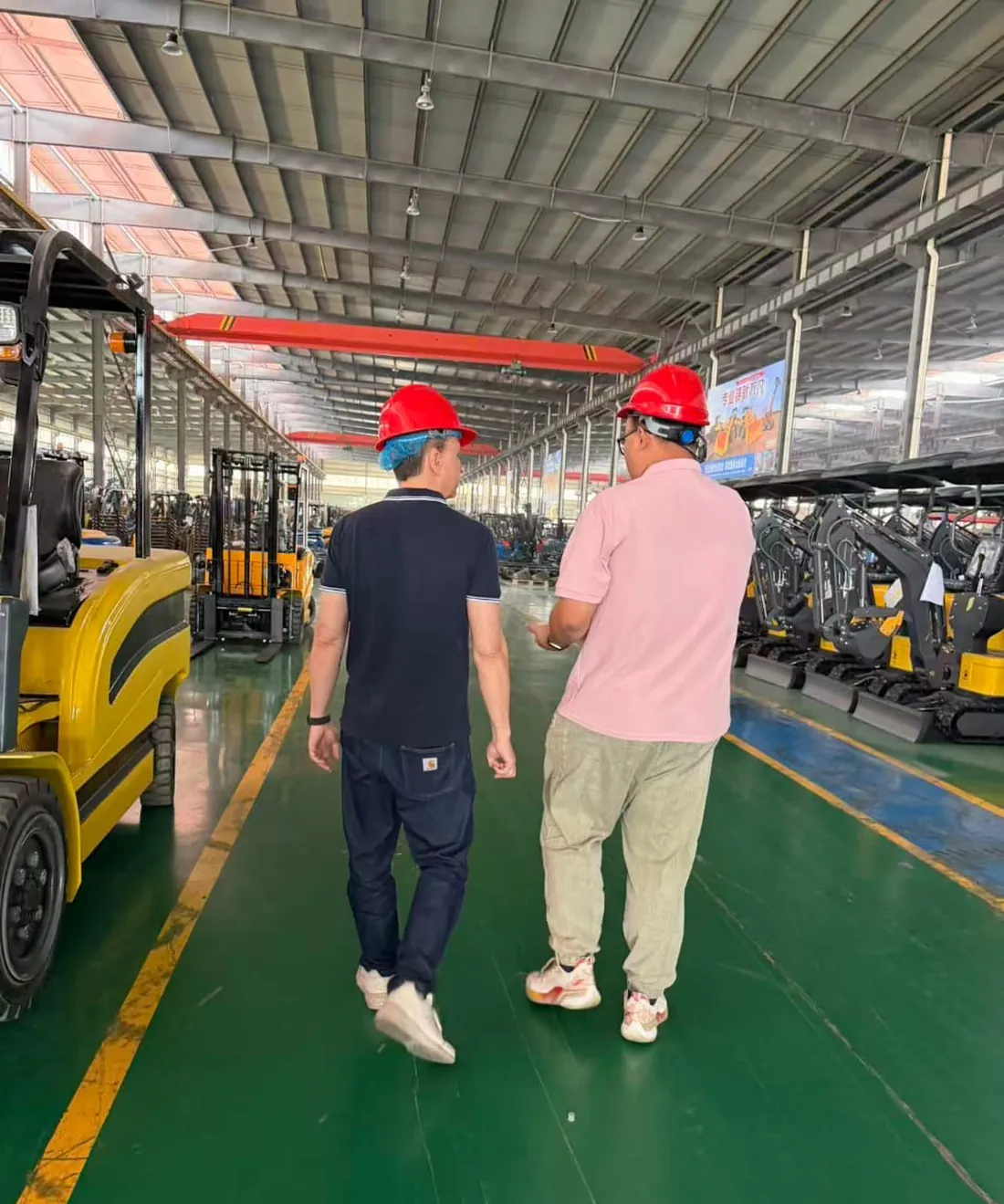
Inside an audited factory: forklifts and mini excavators at the end of the line.

After-sales, parts and warranty: the real differentiator

This is what separates a good purchase from a nightmare. A markedly cheaper machine that sits idle for three weeks waiting for a part is no longer a good deal. Before buying, demand clear answers on the warranty (duration, coverage, who backs it), spare parts availability and a responsive contact person. Within the machines-direct collective, each brand is represented by an accredited rep you can reach directly, and the collective has negotiated 12 extra months of warranty on the machines.

The collective has negotiated 12 extra months of warranty on the machines.

Compare before you import: the collective's approach

Importing alone means checking compliance alone, negotiating alone with the factory and carrying the risk alone. Group buying answers this: several buyers pool their experience, checks and negotiating weight. The machines-direct collective organises it differently: a multi-brand comparator that lines machines up on the same technical criteria, accredited sales reps who quote your configuration direct from the factory, and the mutual support of professional buyers who've been through it. You compare, you configure, you request your quotes — and you decide with full knowledge.

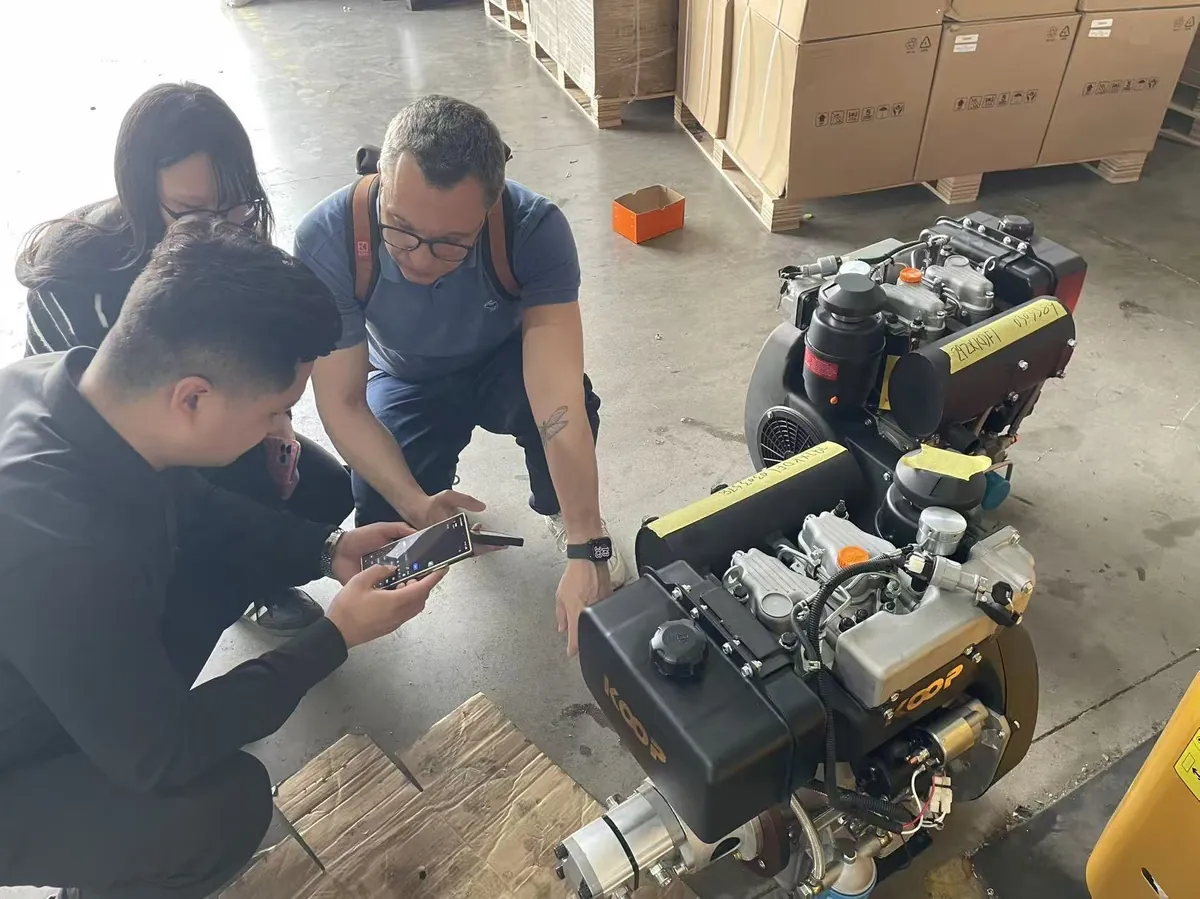
With a partner factory's team — the direct relationship behind the collective.

And in your country?

Everything above applies across the European Union. What changes from one country to the next fits in a few lines — and some territories served by this language fall outside the standard regime: they are flagged in the table.

TerritoryRegimeUsual port of entryCustoms administrationOperator qualification
IrelandEuropean Union — customs union and VAT territoryDublin · CorkRevenue — Irish Tax and Customs—
MaltaEuropean Union — customs union and VAT territoryMarsaxlokkCfR — Commissioner for Revenue—

No rates are reproduced here: they change, and the links above give today's figure. A dash means we have no official source yet — we do not guess. This is orientation only: machines-direct compares machines, does not give customs advice and does not verify equipment conformity — certifications are reproduced exactly as manufacturers supply them.

Lean on the brand's sales rep: CE conformity, engine certificate, Incoterm and container loading are routine for them, and they have handled dozens of shipments to Europe. Before ordering, ask them to confirm in writing that the chosen model and variant are compliant for your country, and to send you the EU declaration of conformity and the engine certification. A written answer beats a conversation — and you remain the importer in the regulatory sense. The national side — clearance, VAT, registration — belongs to a licensed customs broker.

Frequently asked questions

Can you legally import a Chinese construction machine into Europe?

Yes, provided the machine bears the CE marking, comes with the EU declaration of conformity, and its engine meets the applicable emissions standards (Stage V for non-road machinery). The importer — whoever places the machine on the market — bears the responsibility. The collective's brands are used to these requirements and their reps supply the documents for the exact model.

Are the machines in the comparator compliant and under warranty?

Each brand in the collective supplies its certifications (CE, ISO, EPA, Stage V depending on the model), shown on the sheets exactly as supplied. The manufacturer's warranty applies, and the collective has negotiated 12 extra months of warranty on the machines.

What costs should you expect on top of the factory quote?

Sea freight, transport insurance, customs duties according to the TARIC code (with possible anti-dumping measures), import VAT (20% in France, reverse-chargeable under conditions), port handling and final delivery to site. Always think in delivered-to-site cost.

How long does it take to receive a machine from China?

Allow in general 30 to 45 days of sea transport, plus any production time, port handling, customs clearance and final delivery. The brand's rep gives you the real lead time for your configuration.

Do you need a middleman to import?

No, nothing requires it: direct factory purchase is possible and it's the collective's principle. On machines-direct, your request goes straight to the brand's accredited rep — no commercial middleman — and the collective supports you on the French side with compliance, shipping and shared experience.

Ready to import with full knowledge?

Compare the collective's machines on the same criteria, configure yours and request your quotes direct from the factory.

Compare the machines →